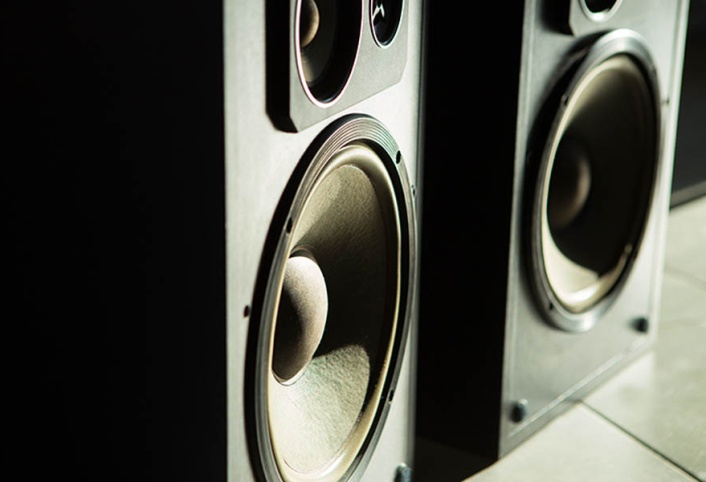


Upgrading a car’s sound system seems simple at first. Replace the speakers. Add a subwoofer. Turn up the volume and enjoy deeper bass. But car audio is rarely that straightforward. Many drivers spend money on upgrades that barely improve sound quality. Others install expensive components yet still feel disappointed when the system doesn’t deliver the experience they expected.
The problem usually isn’t the equipment. It’s misunderstanding how car audio systems actually work.
Bigger Speakers Don’t Automatically Mean Better Sound
A common belief is that larger speakers will always produce better sound. In reality, speaker size alone says very little about performance. Sound quality depends on several factors working together: speaker design, amplifier power, enclosure tuning, and the acoustic environment of the vehicle.
Car interiors are complex sound spaces. Glass surfaces reflect sound. Doors vibrate. Road noise competes with music. Simply installing bigger speakers without addressing these factors often leads to uneven audio or distorted bass.
A balanced system usually matters more than individual component size.
The Factory Head Unit Isn’t Always the Weak Link
Many people assume the head unit, the dashboard stereo, is the main reason their audio system sounds mediocre. Sometimes that’s true. But not always.
Modern factory head units are often tightly integrated with vehicle electronics, navigation systems, and steering wheel controls. Replacing them without careful planning can cause compatibility issues. In many cases, upgrading speakers and adding proper amplification can dramatically improve sound while keeping the original head unit.
Understanding how the system is wired matters more than replacing components blindly.
Power Is Just as Important as Speakers
Speakers need power to perform properly. Without sufficient amplification, even high-quality speakers may sound flat or weak. Factory stereos typically produce limited power, designed for efficiency rather than audio performance.
Adding an amplifier allows speakers to operate at their intended range. This improves clarity at both low and high volumes. Music sounds fuller. Details become easier to hear. A good audio upgrade often involves both speakers and amplification working together.
Vehicle Acoustics Matter More Than Most People Think
Cars are not designed as concert halls. Metal panels, plastic trim, and door cavities create unusual acoustic behavior. Vibrations and rattles can interfere with sound reproduction, especially when bass frequencies increase.
Improving sound quality sometimes requires addressing the vehicle itself. Installers often add sound treatment materials to doors and panels to reduce vibration and control resonance. This helps speakers perform more accurately.
Without these adjustments, even expensive equipment may struggle to deliver clean sound.
A Balanced System Produces the Best Results
Car audio upgrades work best when every component supports the others. Instead of focusing on one dramatic upgrade, experienced installers often consider the entire signal chain.
Important elements may include:
- High-quality speakers designed for the vehicle
- Amplifiers matched to speaker power requirements
- Subwoofers properly enclosed for accurate bass
- Sound treatment to control vibration and noise
When these pieces align, the system performs as a unified whole.
Good Audio Is About Precision, Not Volume
Many drivers pursue louder sound systems. But volume alone does not create a satisfying listening experience. Clarity matters more. A properly tuned system allows listeners to hear subtle details in music. Vocals remain crisp. Instruments separate naturally instead of blending together.
The goal is not simply a louder sound. It is a better sound.
Understanding the System Changes Everything
Car audio upgrades can transform the driving experience. But success depends on understanding how the components interact inside the vehicle. Speakers, amplifiers, acoustics, and installation quality all influence the final result.
Once drivers recognize that audio systems function as integrated systems, not isolated parts, the path to better sound becomes much clearer.