
Ever hit a pitch-black backroad and realized your factory headlights are basically useless past fifty feet? You’re not alone. Most stock lighting setups were designed for city streets, not the unpredictable terrain and darkness that off-road driving throws at you, which is exactly why truck lighting bars have become a non-negotiable upgrade for serious drivers.
What Are Truck Lighting Bars Used For?
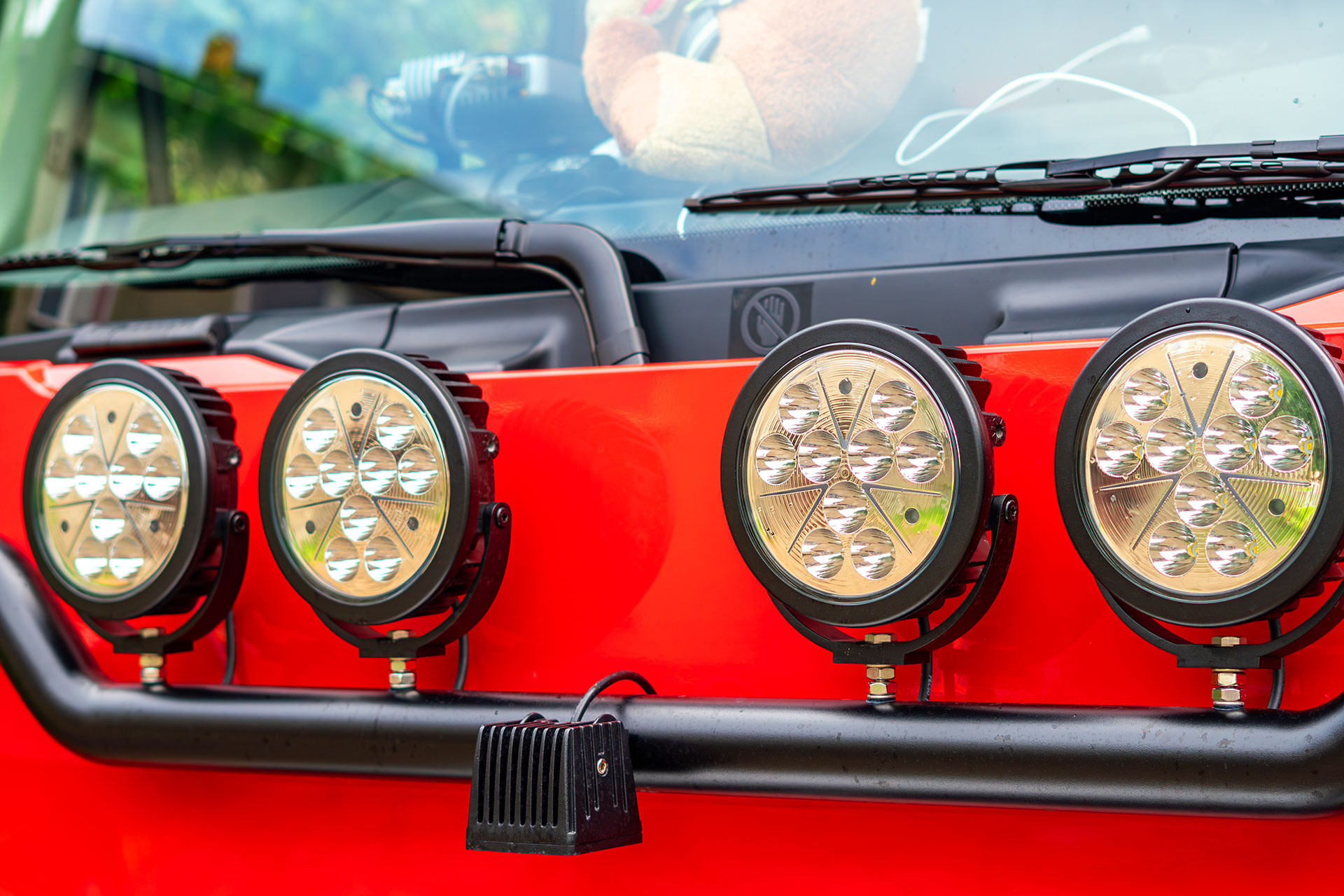
Truck lighting bars are elongated LED fixtures mounted on a vehicle’s front bumper, roof, or grille to increase visibility in low-light or off-road conditions. They produce a wider, brighter beam than standard headlights, helping drivers spot obstacles, wildlife, and terrain changes earlier, improving both safety and reaction time during night driving.
That short answer covers the basics, but there’s a lot more nuance to picking the right setup, mounting position, and beam pattern.
Why Factory Headlights Fall Short Off-Road
Factory headlights are engineered around regulations meant for paved roads and oncoming traffic. They’re not built to illuminate a wide field of view or punch through dust, fog, or total darkness on a trail.
Once you leave the highway, the limitations become obvious fast:
- Narrow beam spread leaves peripheral hazards invisible
- Limited throw distance gives you less reaction time
- Weak performance in rain, fog, or dusty conditions
- No flexibility for different terrain or driving speeds
This is where auxiliary lighting steps in to fill the gap, and it’s a topic worth exploring further if you want to understand exactly what off road lighting really changes about night driving, especially in terms of depth perception and hazard recognition.
Types of Truck Lighting Bars
Straight Light Bars
Straight bars are the most common choice for grille or bumper mounts. They deliver a consistent, wide beam that works well for general visibility on trails and dark rural roads.
Curved Light Bars
Curved bars follow the natural contour of a roofline or bumper, distributing light in a slightly wraparound pattern. This helps eliminate the dark gaps that straight bars sometimes leave on the sides.
Combo Beam Bars
These combine spot and flood optics in a single housing. Spot beams punch light far down the trail, while flood beams widen the view close to the vehicle, giving you the best of both distance and coverage.
Where Should You Mount a Truck Lighting Bar?
Placement changes how effective your lighting actually is. It’s not just about looks; it directly affects beam angle and glare.
- Roof mount: Maximizes throw distance, ideal for high-speed trail runs
- Bumper mount: Lower angle, better for illuminating close obstacles and ditches
- Grille mount: A clean, low-profile option that supplements headlights without altering the roofline
Many truck owners run a dual setup: a roof-mounted bar for distance and a bumper-mounted bar for close-range detail. This layered approach mimics how professional off-road rigs are lit for maximum situational awareness.
Spot vs Flood Beam Patterns
Understanding beam patterns is one of the most overlooked parts of choosing a lighting bar. Get this wrong, and you’ll either blind yourself with reflected light or fail to see what’s directly ahead.
- Spot beams: Concentrated, long-range light for open trails and higher speeds
- Flood beams: Wide, close-range light for tight trails, camp setup, or backing up
- Combo beams: Balanced coverage for mixed driving conditions
Matching the beam pattern to your typical driving environment matters more than raw brightness. A high-lumen spot bar is wasted if you’re mostly navigating tight, technical trails that need wide flood coverage instead.
Key Features to Look For
Not all lighting bars are built the same, and the differences show up fast once you’re actually using them in rough conditions.
- IP67 or IP68 waterproof rating for dust, mud, and water exposure
- Durable aluminum housing to handle vibration and impact
- Polycarbonate lens resistant to rock chips and scratching
- Consistent color temperature for reduced eye strain during long drives
These details separate a bar that lasts for years from one that fogs up or fails after a single muddy trip.
Frequently Asked Questions
Do truck lighting bars drain the battery?
Not typically. LED lighting bars are energy efficient, and when wired correctly through a relay, they draw power only when activated, minimizing strain on your electrical system.
Can I run a lighting bar on the highway?
High-intensity spot or combo bars are generally meant for off-road use only. Running them on public roads without proper diffusion or amber covers can create glare hazards for other drivers.
How long do LED lighting bars typically last?
Quality LED bars are built to run for tens of thousands of hours, often outlasting the vehicle itself when properly maintained and protected from moisture damage.
Is a curved or straight bar better?
It depends on mounting location. Curved bars suit rooflines and wraparound coverage, while straight bars are simpler to mount on bumpers and grilles with a more focused beam.
Final Thoughts
Choosing the right truck lighting bar comes down to understanding your driving environment, mounting preferences, and beam pattern needs rather than just chasing the brightest option available. A well-placed combo bar, paired with proper wiring and legal compliance, transforms how confidently you can navigate dark trails and backroads. Take the time to match your setup to your actual driving habits, and you’ll notice the difference the very first night you switch it on.