
Salt spray, blazing sun, and constant vibration destroy cheap speakers faster than you might think. If you’ve ever cranked up your favorite playlist on the water only to hear crackling distortion an hour later, you already know the frustration of buying gear that wasn’t built for the job. Finding good marine speakers isn’t about luxury, it’s about durability, clarity, and making sure your investment survives more than one season on the water.
What Are the Best Marine Speakers for Boats?
The best marine speakers feature marine-grade materials like UV-resistant polypropylene cones, corrosion-proof stainless steel hardware, and sealed enclosures rated IPX6 or higher. Top brands prioritize wide frequency range, high sensitivity, and moisture-sealed components for reliable sound quality despite constant exposure to sun, water, and vibration.
Why Regular Speakers Fail on a Boat
Standard home or car speakers simply aren’t designed to handle the marine environment. Humidity seeps into the internal components, salt accelerates rust, and UV rays break down cheap plastics within months. Once moisture gets into the voice coil or crossover, distortion and total failure usually follow.
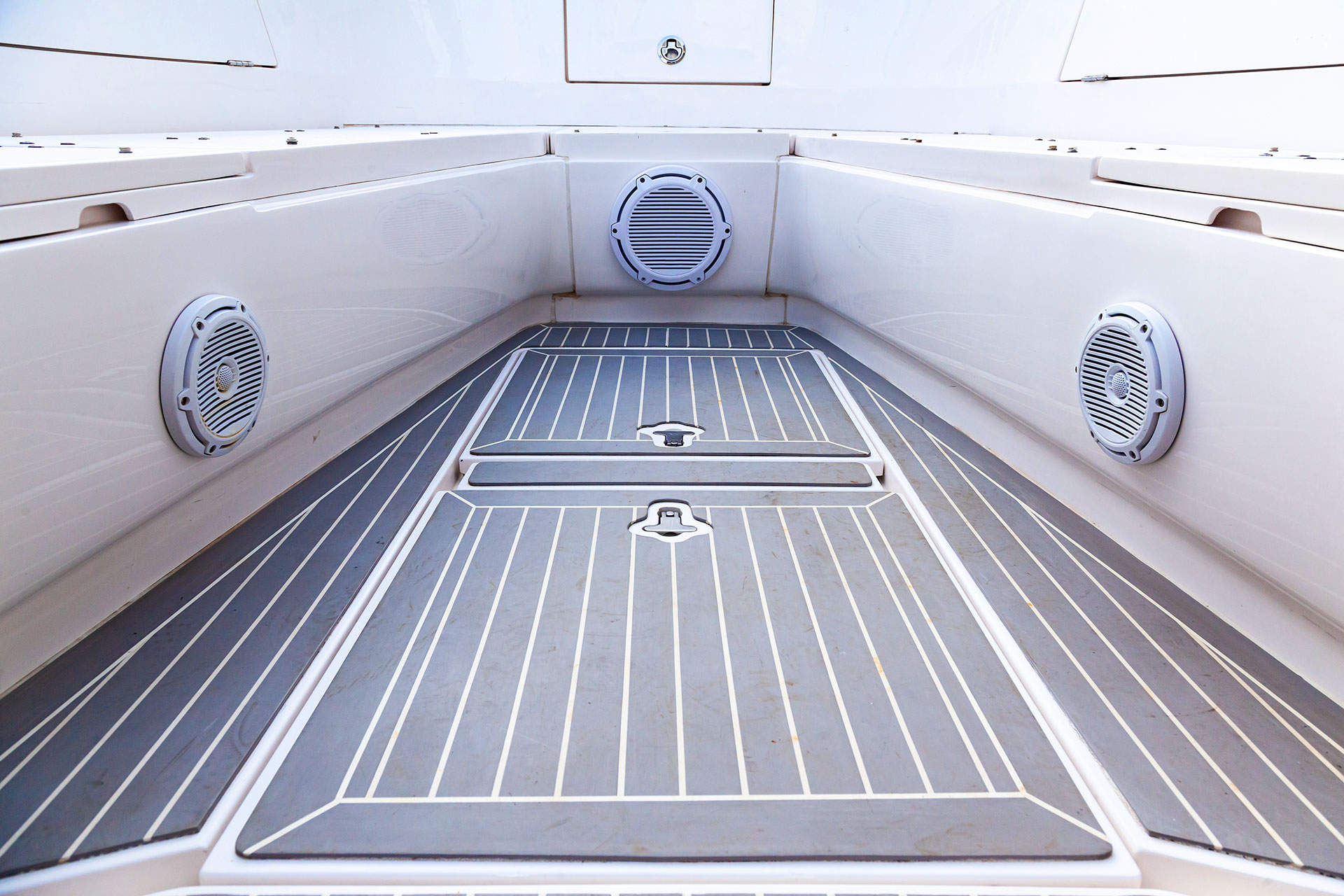
Marine speakers solve this with sealed housings, treated cones, and rust-resistant grilles. They’re engineered specifically to survive splashes, direct sunlight, and the constant rattling of a moving vessel.
Common Signs Your Speakers Aren’t Marine-Rated
- Cracked or faded speaker cones after a few months in the sun
- Rust forming around the mounting screws or grille
- Muffled or distorted sound after exposure to rain or spray
- Foam surrounds that feel brittle or are peeling apart
Key Features That Define Good Marine Speakers
Not every speaker labeled “marine” is actually built for long-term durability. When comparing options, focus on these core specifications rather than flashy marketing claims.
- Cone Material: Polypropylene or composite cones resist warping and moisture absorption better than paper-based alternatives.
- Hardware: Stainless steel or corrosion-resistant alloy screws and grilles prevent rust streaks on your boat’s interior.
- Water Rating: Look for an IPX6 or IPX7 rating, which indicates strong resistance to water jets or brief submersion.
- UV Protection: Cones and surrounds treated with UV inhibitors won’t crack or fade after seasons in direct sun.
- Power Handling: A higher RMS wattage rating ensures clean sound at higher volumes without blowing the speaker.
Wake, Wakesurf, and Tower Speakers: Do You Need Something Different?
If you’re running a wake boat or towing gear behind a tower, standard marine speakers may not deliver enough volume to compete with wind and engine noise. Tower speakers are typically larger, more powerful, and angled to project sound further across open water.
For cruisers and pontoon boats, smaller wake-style speakers mounted in the cockpit or gunwale areas are usually sufficient. The right choice depends on boat size, typical speed, and how far you need the sound to travel.
Installation Matters More Than You Think
Even the most durable marine speaker will fail prematurely if it’s installed incorrectly. Improper sealing around mounting holes, exposed wiring, or incorrect gasket placement can let water seep into places it shouldn’t.
This is one area where cutting corners almost always backfires. A poorly sealed speaker mount can void your warranty and lead to internal corrosion within a single season. That’s why so many boat owners find that professional installation ends up saving both money and frustration in the long run.
Maintaining Your Marine Speakers for Longer Life
Even top-tier marine speakers benefit from basic upkeep. A little routine care goes a long way toward preserving sound quality and preventing corrosion.
- Rinse speaker grilles with fresh water after saltwater exposure
- Avoid using harsh chemical cleaners on cones or surrounds
- Check mounting hardware periodically for signs of rust
- Cover speakers when the boat is stored for extended periods
Final Thoughts
Choosing good marine speakers comes down to understanding what actually survives on the water, not just what sounds impressive in a showroom. Prioritize sealed enclosures, corrosion-resistant hardware, and UV-treated cones over flashy branding. Pair that with correct installation and a bit of routine maintenance, and your sound system can easily outlast several boating seasons.
Frequently Asked Questions
How long do marine speakers typically last?
With proper installation and regular maintenance, quality marine speakers can last 5 to 10 years, even with frequent exposure to sun and water.
Can I install marine speakers myself?
While it’s possible, improper sealing or wiring mistakes are common and can shorten the lifespan of your speakers. Many boat owners prefer professional installation to ensure everything is sealed and wired correctly the first time.
Do marine speakers sound different from regular speakers?
Not necessarily. High-quality marine speakers are engineered to match the sound clarity of standard speakers while adding weatherproofing and corrosion resistance.
What’s the difference between marine speakers and wake tower speakers?
Wake tower speakers are generally larger and more powerful, designed to project sound over engine noise and wind at higher speeds, while standard marine speakers work well for cockpit or cabin listening.