
Your factory speakers sound flat, muddy, and honestly kind of embarrassing when you crank up your favorite playlist. You know the fix is out there, but the sheer number of options makes your head spin. So what actually makes a speaker for car stereo worth your money, and how do you pick one without wasting a weekend down a rabbit hole of forum arguments?
What Is the Best Speaker for Car Stereo Systems?
The best speaker for car stereo setups depends on your goals, but component speakers generally deliver the clearest, most balanced sound. They separate tweeters and woofers for cleaner highs and deeper lows. For budget upgrades, coaxial speakers offer solid performance and simple installation without major modifications.
That’s the short answer, but there’s a lot more nuance depending on your car, your listening habits, and your existing setup.
Why Your Stock Speakers Just Aren’t Cutting It
Most factory speakers are built to a price point, not a performance standard. Automakers prioritize cost savings over audio fidelity, which means thin cones, weak magnets, and limited frequency range.
You’ll notice this most when:
- Bass sounds hollow or distorted at higher volumes
- Vocals feel muffled instead of crisp and forward
- Highs sound harsh or tinny during busy tracks
- Overall sound feels flat, lacking depth or separation
Swapping out these speakers is one of the most cost-effective upgrades you can make to your car’s sound quality. It’s often the first step people take before considering bigger changes.
Types of Car Speakers Explained
Not all speakers are created equal, and understanding the categories helps you shop smarter.
Coaxial (Full-Range) Speakers
These combine a woofer and tweeter into a single unit. They’re the easiest upgrade because they typically fit into your existing factory speaker locations. Great for beginners who want noticeable improvement without rewiring their entire dashboard.
Component Speakers
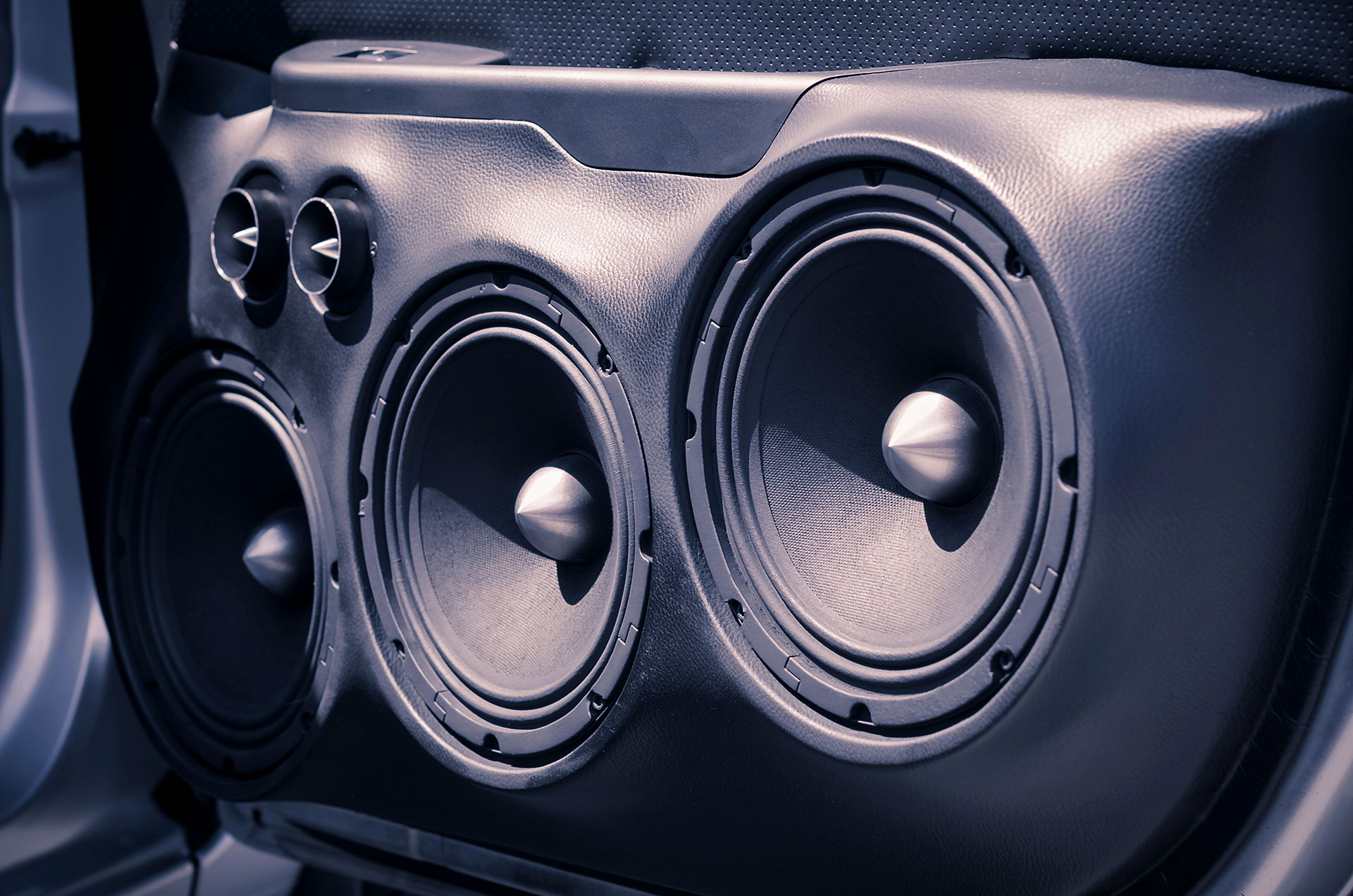
Component sets separate the tweeter, woofer, and crossover into individual pieces. This separation reduces distortion and lets each part focus on its specific frequency range. The result is noticeably richer, more detailed audio, though installation is more involved.
Subwoofers
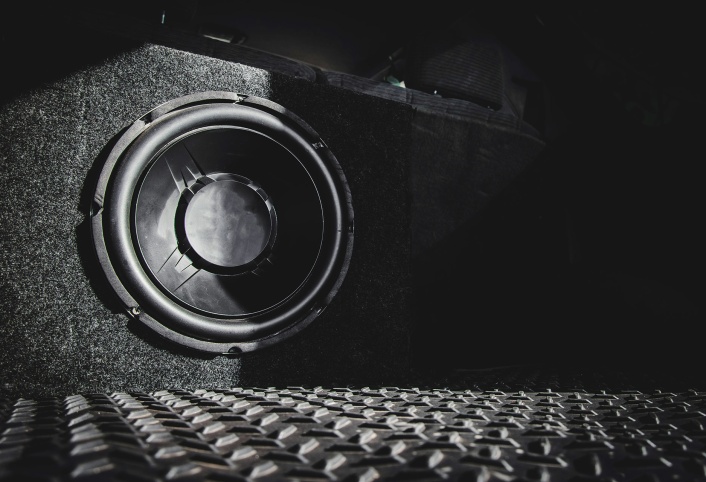
If deep, punchy bass is your priority, subwoofers handle low frequencies that regular speakers simply can’t reproduce. They’re usually paired with an amplifier for maximum impact.
Tweeters
Dedicated tweeters handle high frequencies exclusively. Adding standalone tweeters can sharpen vocals and instrumentals, especially in systems that feel dull up top.
Key Factors to Consider Before Buying
Choosing the right speaker isn’t just about brand names or flashy specs. Here’s what actually matters:
- Power handling (RMS): Match this to your head unit or amplifier output for clean, reliable performance.
- Sensitivity: Higher sensitivity ratings mean louder sound with less power required.
- Speaker size: Check your vehicle’s factory specs to ensure a proper fit without cutting panels.
- Frequency response: A wider range typically means richer, more balanced audio reproduction.
- Build materials: Look for durable cones like polypropylene or Kevlar that resist heat and moisture damage.
Do You Need an Amplifier Too?
Upgraded speakers can only perform as well as the power feeding them. Factory head units often lack the clean power output needed to push higher-end speakers to their full potential.
An amplifier reduces distortion, improves clarity at higher volumes, and gives you headroom for dynamic range. If you’re serious about sound quality, pairing new speakers with an amp is almost always worth the investment.
Installation: DIY or Professional Help?
Basic coaxial speaker swaps are manageable for confident DIYers with basic tools and patience. Component systems, however, often require custom mounting, wiring crossovers, and sometimes sound deadening work for optimal results.
If you want a setup that truly maximizes clarity and depth, working through a full car audio system installation process ensures every component, from speakers to amplifiers, is properly matched and installed. This approach avoids common mistakes like poor grounding, mismatched impedance, or rattling panels.
Common Mistakes to Avoid
- Buying speakers based on peak power instead of RMS ratings
- Ignoring vehicle-specific size and depth requirements
- Skipping sound deadening, which affects bass response and vibration
- Mismatching speaker impedance with amplifier output
- Overlooking proper crossover settings on component systems
Final Thoughts
Upgrading your car’s speakers can transform your entire driving experience, turning a mediocre commute into an actual listening session worth looking forward to. Whether you go with a simple coaxial swap or a full component setup with an amplifier, the key is matching your choice to your vehicle, your listening habits, and your long-term audio goals. Take the time to understand your options, and the payoff will be obvious the first time you hit play.
Frequently Asked Questions
How do I know what size speaker fits my car?
Check your vehicle’s owner manual or measure your factory speakers directly. Many manufacturers also publish fitment guides online for popular makes and models.
Can I install new speakers without an amplifier?
Yes, most speakers work fine with a factory head unit, though you may not hear their full potential without additional power support.
Are component speakers worth the extra installation effort?
For listeners who prioritize sound clarity and separation, yes. The improved detail and reduced distortion are noticeable compared to standard coaxial setups.
Do more expensive speakers always sound better?
Not necessarily. Build quality, materials, and proper installation often matter more than price alone when it comes to real-world sound performance.
How often should car speakers be replaced?
Well-maintained speakers can last many years, but performance issues like distortion or rattling usually signal it’s time for an upgrade.