

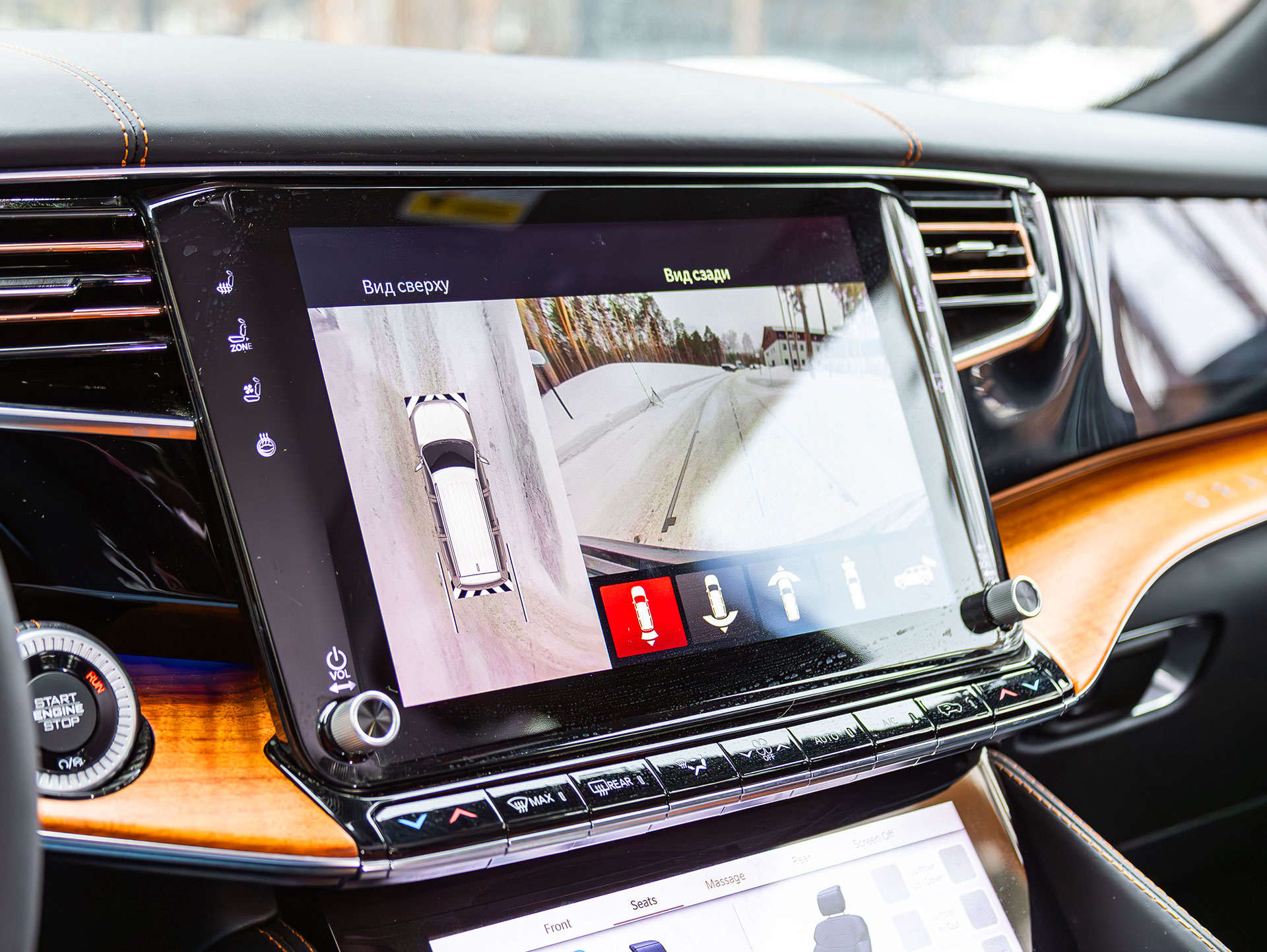
Picture this: you’re backing your 30-foot motorhome into a tight campground spot while your spouse frantically waves their arms, shouting directions you can barely hear. Sound familiar? An RV backup camera transforms this stressful scenario into a smooth, confident maneuver that takes mere minutes instead of nerve-wracking attempts. Whether you’re a weekend warrior or a full-time RVer, understanding the ins and outs of backup camera systems can revolutionize your travel experience.
Why Every RV Owner Needs a Backup Camera System
The blind spots on recreational vehicles are massive, sometimes extending 20 feet or more behind your rig. Traditional mirrors simply can’t provide adequate coverage, especially when you’re towing a trailer or navigating crowded parking lots. Statistics show that backup accidents account for nearly 30% of all RV insurance claims, with average repair costs exceeding $3,000.
Beyond safety, an RV backup camera offers peace of mind that’s invaluable. You’ll eliminate the need for a spotter in most situations, reduce stress during hookups at campsites, and gain the confidence to explore destinations you might have previously avoided due to challenging parking situations.
Types of RV Backup Cameras Available
Wired Systems
Wired backup cameras provide the most reliable connection and highest video quality. These systems use physical cables to transmit video signals from the camera to your monitor, ensuring zero interference and minimal lag. While installation requires running cables through your RV’s interior, the rock-solid performance makes it worthwhile for serious RVers.
Wireless Systems
Wireless RV backup cameras have revolutionized the market with their ease of installation. Using digital signals transmitted at 2.4GHz or 5.8GHz frequencies, these systems can be installed in under an hour. Modern wireless cameras feature encrypted signals to prevent interference from other devices and maintain clear video quality up to 150 feet.
Solar-Powered Options
The latest innovation in backup camera technology includes solar-powered models that eliminate the need for hardwiring to your RV’s electrical system. These eco-friendly options work exceptionally well for trailers and fifth wheels, charging during the day and operating on battery power when needed.
Essential Features to Look For
Must-Have Features:
- Night vision capability with infrared LEDs
- Wide viewing angle (120-170 degrees)
- Weatherproof rating of at least IP68
- High-resolution display (minimum 720p)
- Parking guidelines or grid lines
- Multiple camera compatibility
Resolution matters more than you might think. While standard definition cameras might seem adequate, the difference between 480p and 1080p becomes apparent when you’re trying to spot obstacles in challenging lighting conditions. Look for cameras with HDR (High Dynamic Range) technology that automatically adjusts to varying light conditions.
Installation Guide for RV Backup Cameras
Planning Your Installation
Before drilling any holes, map out your entire system. Decide where to mount the camera (typically center-high on the rear), determine monitor placement for optimal visibility, and plan your cable routing to avoid interference with slides or awnings. Take measurements and create a simple diagram to avoid costly mistakes.
Step-by-Step Installation Process
Start by disconnecting your RV’s battery to prevent electrical issues. Mount the camera bracket using appropriate sealants to prevent water intrusion—this is crucial for maintaining your RV’s integrity. For wired systems, use existing wire channels when possible, or install protective conduit for exposed runs.
The monitor installation requires careful consideration of viewing angles and sun glare. Many RVers prefer dash-mounted monitors that can be adjusted throughout the day, while others opt for permanent installations integrated into the dashboard.
Common Installation Mistakes to Avoid
- Mounting the camera too low, limiting your field of view
- Forgetting to seal mounting holes properly
- Running power cables near RF interference sources
- Skipping the system test before finalizing installation
- Using inadequate wire gauge for long cable runs
Maintaining Your Backup Camera System
Regular maintenance ensures your RV backup camera performs when you need it most. Clean the lens weekly with appropriate cleaning solutions; road grime and bug splatter can significantly reduce image quality. Check all connections monthly, especially after driving on rough roads where vibrations can loosen terminals.
Speaking of maintenance and improvements, many RV owners find that upgrading multiple vehicle systems simultaneously creates a more cohesive and modern driving experience. When you’re investing in safety technology like backup cameras, it’s worth considering other enhancements that complement your new system.
Protect your investment by applying a UV-resistant coating to the camera housing annually. This prevents sun damage that can cause plastic components to become brittle and fail prematurely. During winter storage, consider removing portable monitors to prevent temperature-related damage.
Troubleshooting Common Problems
Signal Interference Issues
Wireless systems occasionally experience interference from Wi-Fi routers, cell phones, or other RVs’ systems. Switch to a different frequency channel, relocate the monitor antenna, or upgrade to a system with stronger signal encryption to resolve these issues.
Poor Night Vision Performance
If your infrared LEDs aren’t providing adequate illumination, check for dirt or oxidation on the LED covers. Some systems allow you to adjust IR intensity, experiment with these settings to find the optimal balance between visibility and glare reduction.
Cost Considerations and ROI
Budget Systems ($100-$300):
Basic functionality, standard definition, limited features but adequate for occasional use.
Mid-Range ($300-$700):
HD resolution, wireless options, night vision, suitable for regular RV travelers.
Premium ($700+):
Multiple cameras, 360-degree views, smartphone integration, professional-grade features.
Consider the potential savings from avoiding just one backing accident, and even premium systems pay for themselves. Insurance companies increasingly offer discounts for RVs equipped with safety technology, potentially saving you 5-10% on annual premiums.
Future Trends in RV Backup Camera Technology
The industry is rapidly evolving, with AI-powered object detection becoming standard in higher-end models. These smart systems can differentiate between stationary objects and moving hazards, providing audio alerts for immediate threats. Integration with smartphone apps allows remote viewing and system diagnostics from anywhere.
Augmented reality overlays represent the next frontier, projecting trajectory lines and distance measurements directly onto the video feed. Some manufacturers are developing systems that integrate with RV automation, automatically adjusting slide-outs and leveling jacks based on camera input.
Installing an RV backup camera ranks among the most impactful upgrades you can make to your recreational vehicle. From preventing costly accidents to reducing travel stress, the benefits far outweigh the initial investment. Whether you choose a basic wired system or a feature-rich wireless setup with multiple cameras, you’ll wonder how you ever RVed without one.
Take time to assess your specific needs, budget accordingly, and remember that proper installation and maintenance ensure years of reliable service. Your future self will thank you every time you effortlessly navigate into that perfect campsite spot.