
Picture this: the lights dim, the surround speakers rumble, and your favorite film explodes onto a screen that swallows the whole wall. That’s the magic of a properly designed home theater room, and it’s far more achievable than most people think. Whether you’re working with a spare bedroom, a finished basement, or a dedicated entertainment space, the right combination of acoustics, seating, lighting, and gear can transform any four walls into a cinematic escape.
What is a home theater room?
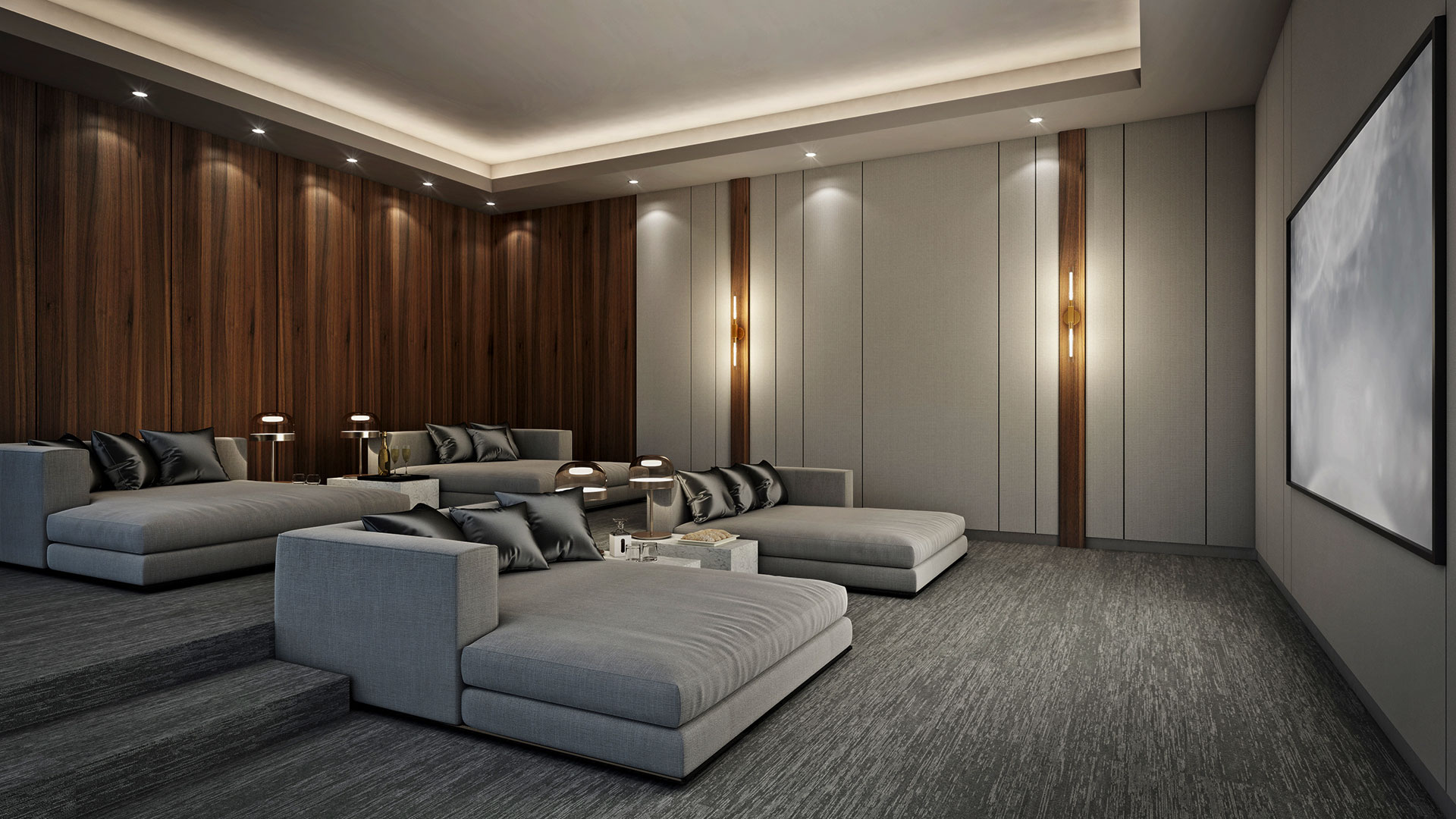
A home theater room is a dedicated space designed to replicate the cinema experience at home, combining a large display (projector or big-screen TV), surround sound speakers, tiered seating, controlled lighting, and acoustic treatments. The goal: immersive picture, theater-quality audio, and zero outside distractions.
Why Build a Home Theater Room?
Streaming has changed the way we watch, but laptops and living room TVs still leave a lot on the table. A dedicated theater space delivers something different: full immersion. You stop being a viewer and start being part of the story.
Beyond the entertainment factor, a well-designed home theater can add real resale value to your property and become the most-used room in the house for movie nights, sports events, and gaming marathons.
Choosing the Right Room
Not every room is created equal. The space you select shapes every other decision, so start here before you spend a dime on equipment.
Ideal Room Characteristics
- Rectangular shape: Square rooms create acoustic problems that are tough to fix.
- Minimal windows: Light leaks ruin contrast and picture quality.
- Solid walls: Concrete or insulated drywall blocks outside noise.
- Ceiling height of 8 feet or more: Provides room for tiered seating and overhead speakers.
- Distance from busy areas: Basements and back rooms reduce interruptions.
Room Size Recommendations
A comfortable home theater needs at least 15 feet by 12 feet to accommodate seating, a screen, and proper speaker placement. Larger rooms (20+ feet long) allow for stadium seating and bigger displays, but they also demand more powerful audio gear to fill the space.
Designing the Layout
Screen Placement
Mount the screen so its center sits at eye level when seated, typically 40 to 50 inches off the floor. Leave at least 1.5 times the screen width between the display and the front row.
Seating Arrangement
Place seats so each viewer has a clear sightline. For two rows, elevate the back row by 8 to 12 inches using a riser platform.
Speaker Positioning
Front speakers angle toward the main listening position. Surrounds sit slightly above ear level, and Atmos speakers go in the ceiling.
Picking the Right Display
The screen is the centerpiece, so this decision deserves real thought. You have two main paths: a large 4K TV or a projector with a dedicated screen.
Projector vs. TV
- Projectors deliver the biggest, most cinema-like image (100 inches or more) but need a dark room to look their best.
- OLED and QLED TVs offer brighter, punchier picture quality and work in rooms with some ambient light, capping out around 85 inches.
If your space is light-controlled and you want true theater feel, go projector. If you watch sports during the day or share the room with family activities, a premium TV makes more sense.
Building the Sound System
Audio is half of the cinematic experience, and many builders underestimate just how much it matters. A flat picture can be forgiven; flat sound cannot. If your setup leaves you uninspired, this breakdown of why a home theater can feel underwhelming and how to bring it back to life is worth a read before you finalize your speaker plans.
Surround Sound Configurations
- 5.1 Setup: Five speakers plus a subwoofer. The classic starting point.
- 7.1 Setup: Adds rear surrounds for deeper immersion in larger rooms.
- Dolby Atmos (5.1.2 or 7.1.4): Adds height channels for true three-dimensional sound.
Don’t Skip the Subwoofer
A quality subwoofer transforms how movies feel. Explosions hit harder, soundtracks gain weight, and dialogue sits more naturally. Many enthusiasts even run dual subwoofers for smoother bass across every seat.
Acoustic Treatment Essentials
Even the best speakers sound mediocre in an untreated room. Bare walls cause echoes, and parallel surfaces create standing waves that muddy the audio.
- Acoustic panels on side walls absorb reflections.
- Bass traps in corners tame low-frequency buildup.
- Heavy curtains over windows or hard surfaces add absorption.
- Carpeting or thick rugs reduce floor reflections.
Lighting and Aesthetics
Lighting sets the mood and protects the picture quality. Aim for full blackout when films play, but add layered ambient lighting for everything else.
Smart Lighting Ideas
- Dimmable LED sconces on the walls for cinema vibe.
- LED rope lighting under seat risers for safety and style.
- Bias lighting behind the screen to reduce eye strain.
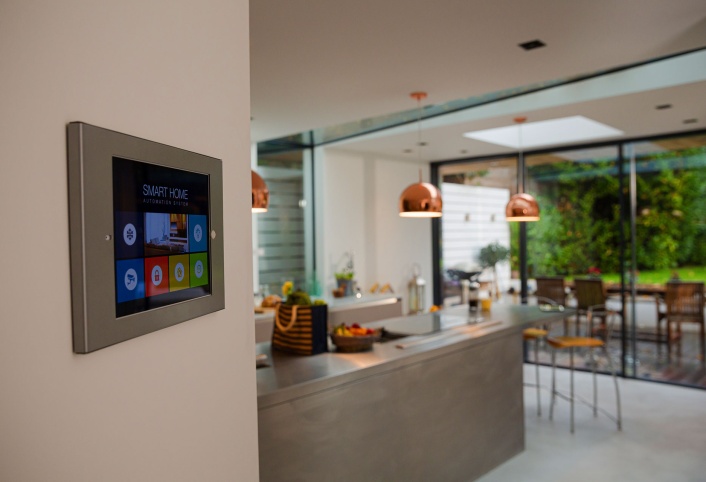
- Smart controls tied to your remote for one-button dimming.
Comfortable Seating Choices
Movies run long, and uncomfortable seats kill the experience fast. Dedicated home theater recliners come with cup holders, USB ports, and even motorized headrests. If budget is tight, plush sectionals work well too, especially for casual rooms that double as hangout spaces.
Smart Budget Planning
Entry-Level Build ($2,000 to $5,000): 65 inch TV, 5.1 soundbar system, basic recliners, simple lighting.
Mid-Range Build ($5,000 to $15,000): 4K projector, 7.1 surround system, tiered seating, acoustic treatment.
High-End Build ($15,000+): Laser projector, Dolby Atmos with in-ceiling speakers, motorized screen, premium recliners, full room treatment.
Frequently Asked Questions
How much does it cost to build a home theater room?
A functional home theater can be built for around $2,000, while high-end dedicated spaces often exceed $20,000. Most enthusiasts land somewhere in the $5,000 to $10,000 range with quality components and proper acoustic treatment.
What is the best size for a home theater room?
The sweet spot is roughly 20 feet long by 13 feet wide with 9 foot ceilings. This size accommodates two rows of seating, proper speaker placement, and a large screen without acoustic compromises.
Do I need a dedicated room for a home theater?
No, but it helps. Dedicated rooms allow for full blackout, optimal acoustics, and uncompromised gear placement. Multi-use rooms can still deliver excellent results with thoughtful design choices.
Is a projector or TV better for a home theater?
Projectors create a more authentic cinema feel with massive screen sizes, but require darkness. TVs offer brighter, sharper images and work in mixed lighting conditions. The best choice depends on your room’s light control.
How many speakers do I need?
A basic 5.1 system (five speakers plus a subwoofer) covers most rooms well. For larger spaces or full immersion, step up to 7.1 or add Dolby Atmos height channels for overhead audio effects.
Can I build a home theater in a basement?
Absolutely. Basements are often ideal because they offer natural light control, sound isolation, and dedicated square footage. Just address moisture, insulation, and ventilation before installing electronics.
Bringing It All Together
Designing a home theater room is part art, part engineering, and entirely worth the effort. Start with the right space, plan your layout around viewer experience, invest in display and audio quality, and never skip acoustic treatment. Add comfortable seating, layered lighting, and personal touches that reflect your taste. When the lights drop and the opening scene begins, you’ll know every choice paid off, because the only thing better than going to the movies is never having to leave home.