

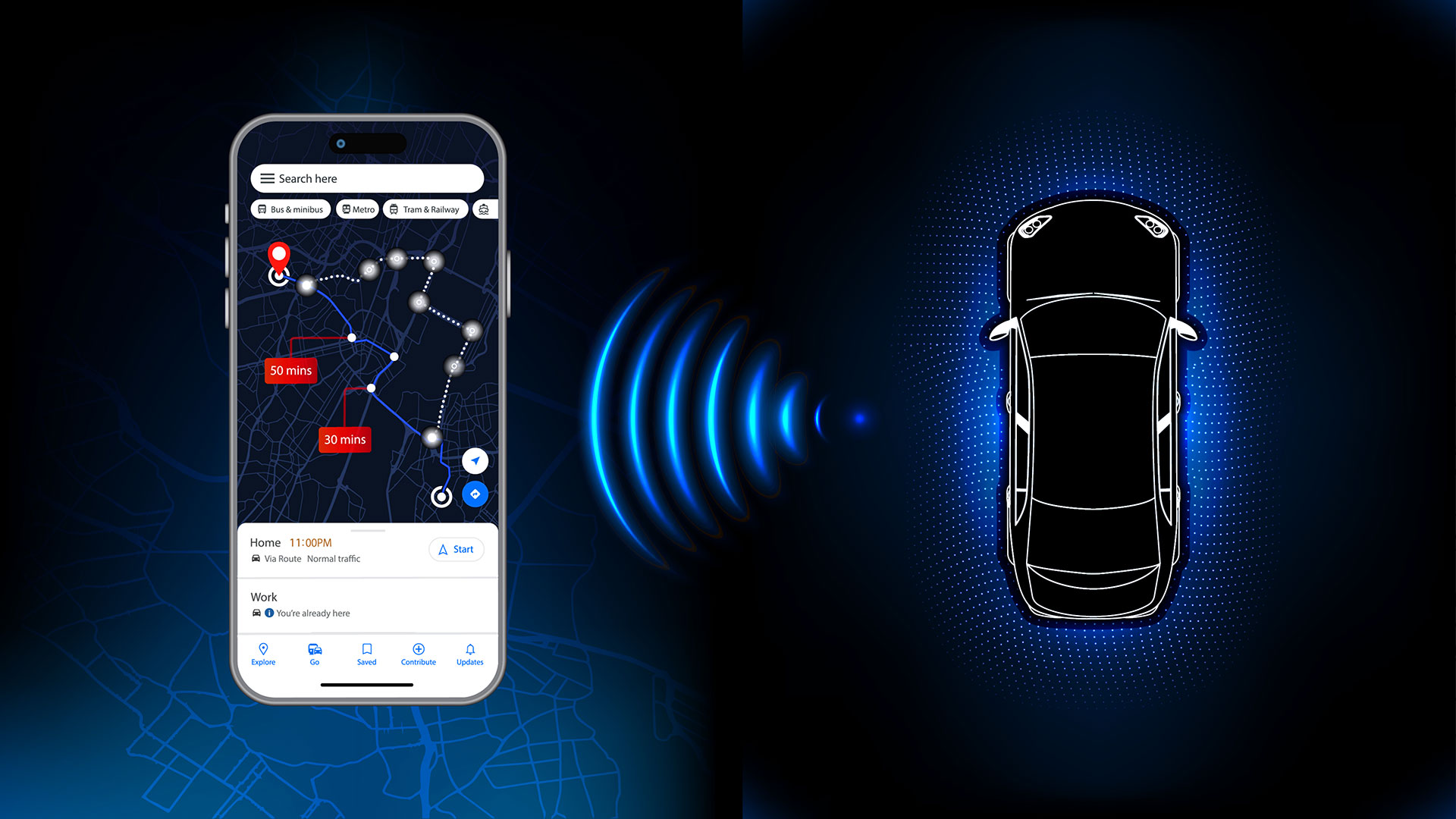
A GPS tracker sitting in a drawer does nothing. One installed incorrectly does almost as little. The difference between a system that genuinely protects your vehicle and one that gives you false confidence almost always comes down to how it was put in.
What Goes Wrong With DIY Installation
Plug-and-play trackers sound simple. But the most capable GPS systems require hardwired installation to perform consistently. Common problems include:
- Tapping the wrong power source, so the tracker goes offline when the vehicle is parked
- Poor wire routing that leaves cables easy to find and cut
- No battery backup, meaning the device goes dark if power is disconnected
- Weak signal placement that causes missed pings and inaccurate data
Any one of these can make a tracker useless at exactly the moment you need it.
What Professional Installation Changes
A professional installer finds the best placement for signal strength, conceals the unit properly, and routes wiring so nothing is visible or accessible. Hardwiring into a switched power source keeps the tracker active on its own schedule. Battery backup keeps it transmitting even if someone cuts the main power.
The result is a system that runs quietly and reliably without needing attention.
Protection From the First Day
Once installed, the tracking begins immediately. Location logging, movement alerts, geofence notifications, and tamper warnings. All of it passive. All of it automatic.
For fleet owners, that means knowing where every vehicle is without chasing anyone for updates. For individuals, it can mean the difference between recovering a stolen car quickly and not recovering it at all.
It Keeps Working
A professionally installed tracker doesn’t degrade. The wiring holds. The placement holds. The alerts keep coming based on the rules you set once. Installation is a single event. The protection runs every day after.