
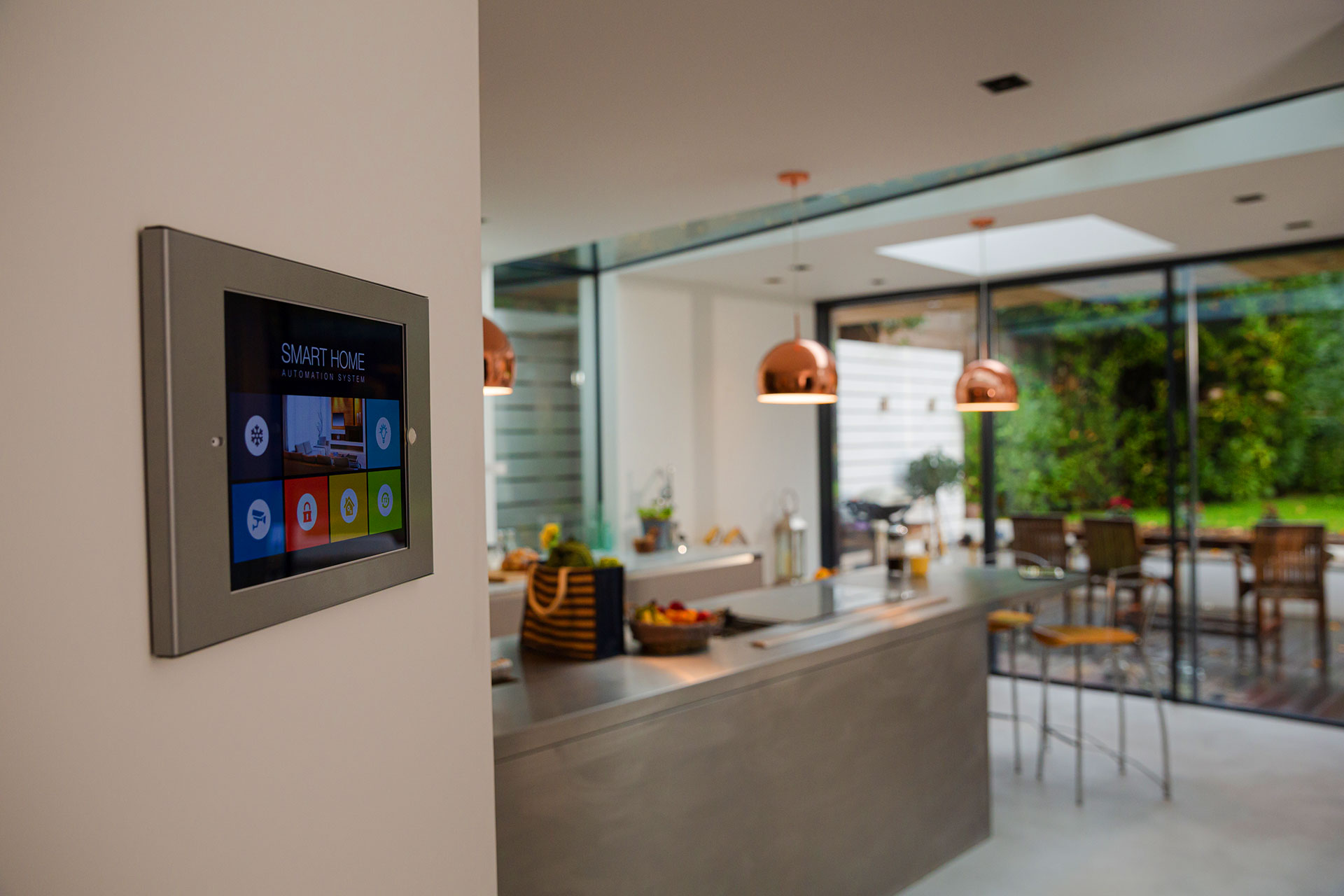
At first, home automation feels like a toy. A convenience. Lights that dim with your voice. Shades that glide down at sunset. A thermostat that behaves better than your old one ever did. Fun stuff. Nice-to-haves.
But somewhere along the way, the novelty fades, and something else takes its place. You stop asking, “Is this cool?” and start asking, “How did we ever live without this?”
That’s the moment automation shifts from luxury to necessity.
Convenience Is the Gateway, Not the Destination
Most people begin with small upgrades, one smart bulb, a single-room speaker, maybe a video doorbell. The features feel helpful, but not life-changing. Then you add a few more pieces. Suddenly, patterns appear.
The lights turn off when no one’s in the room. The house locks itself at night. Climate adjusts without a second thought. And then you notice something strange: the house is working harder than you are. Automation starts to feel less like a gadget and more like a silent assistant living in the walls.
Essentials Reveal Themselves in Daily Life
You start seeing the real value of automation in the everyday moments, the ones you never thought needed optimizing.
Things like:
- Temperature shifts you don’t have to monitor
- Security that activates without you remembering
- Routines that happen on time, every time
- Ambient lighting that adjusts to the actual mood of the room
These aren’t “cool.” They’re supportive. They reduce decision fatigue. They clear mental clutter. They keep the house running when your mind is somewhere else entirely.
And that’s where automation earns the word essential.
Energy Efficiency Comes Quietly, Then Stays Forever
One of the most surprising shifts is financial. Automation trims the fat without asking permission. Lights stop wasting electricity. Heating and cooling respond to reality, not habit. Appliances power down when they’re not needed.
The savings aren’t dramatic at first. They’re subtle. But they stack. Month after month, year after year, the automated home simply uses less. The house pays attention, so you don’t have to.
Safety and Security Stop Being Optional
Here’s where the shift becomes unmistakable.
Automation strengthens the home in ways manual systems can’t keep up with. It watches when you’re asleep. It checks doors you forgot about. It alerts you before small things become big ones.
Automated homes protect:
- Entry points you don’t always think about
- Windows at odd angles or hidden corners
- Water lines that could leak silently
- Outdoor areas that stay dark without intervention
Safety is not a “cool feature.” It’s peace of mind expressed in technology.
Conclusion
The moment home automation truly arrives is the moment you stop noticing it. It’s not flashy anymore. It’s not novel. It’s simply part of the home, quiet, reliable, always running in the background.
It supports you the way good tools do: invisibly, consistently, without needing applause. That’s the difference between a smart home and a simply convenient one. One feels futuristic. The other feels indispensable.