
Whether you’re a daily commuter tired of factory sound or an audiophile seeking concert-quality music on wheels, a custom car stereo transforms your driving experience from mundane to extraordinary. Today’s aftermarket audio systems offer unprecedented sound quality, smartphone integration, and personalization options that leave factory setups in the dust. From crystal-clear highs to chest-thumping bass, the right custom setup turns every journey into a private concert hall.
Understanding Custom Car Stereo Systems
A custom car stereo goes far beyond simply swapping out your head unit. It’s a carefully orchestrated ecosystem of components working in harmony to deliver superior sound quality tailored to your vehicle’s unique acoustics. Modern systems integrate seamlessly with your smartphone, support high-resolution audio formats, and offer customization options that factory systems simply can’t match.
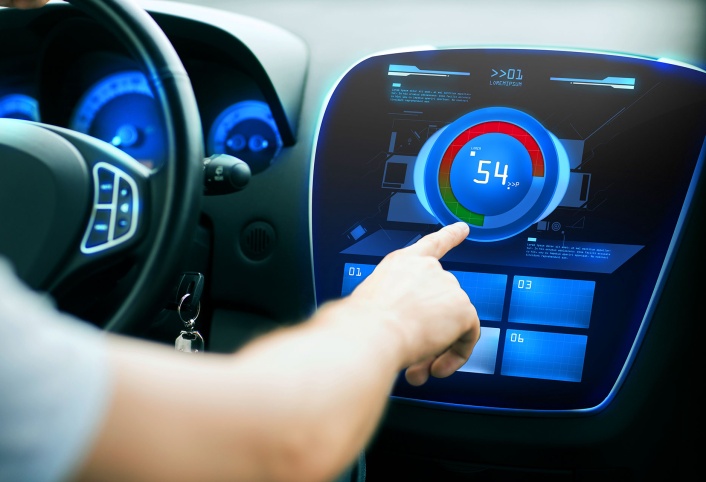
The foundation of any custom system starts with the head unit, your command center for all audio functions. Today’s aftermarket head units feature touchscreen displays, Apple CarPlay and Android Auto compatibility, built-in equalizers, and support for multiple audio sources. Unlike restrictive factory units, aftermarket options give you complete control over every aspect of your listening experience.
Beyond the head unit, custom systems incorporate upgraded speakers, amplifiers, subwoofers, and sound processors. Each component plays a crucial role in delivering the full audio spectrum, from delicate instrumental details to powerful bass lines that you can feel in your bones.
Key Components of a Custom Car Stereo Setup
Head Units and Source Units
Modern aftermarket head units serve as the brain of your custom car stereo system. Double-DIN touchscreen units dominate the market, offering intuitive interfaces, GPS navigation, and seamless smartphone integration. Single-DIN options remain popular for classic cars or those preferring physical controls over touchscreens.
Advanced features to consider include:
- High-voltage preamp outputs (4V or higher) for cleaner signal transmission
- Built-in DSP (Digital Signal Processing) for precise sound tuning
- Multi-zone control for separate front and rear audio settings
- Wireless connectivity including Bluetooth, Wi-Fi, and NFC
- Support for high-resolution audio formats like FLAC and DSD
Speakers and Driver Selection
Upgrading your speakers delivers the most immediate improvement in sound quality. Component speakers separate the tweeter from the woofer, allowing optimal placement for superior soundstaging. Coaxial speakers offer easier installation while still providing significant improvements over factory speakers.
Material construction matters tremendously. Silk dome tweeters provide smooth, fatigue-free highs, while titanium delivers crisp, detailed treble. Woofer cones made from polypropylene, Kevlar, or carbon fiber offer excellent rigidity and low distortion across the frequency range.
Amplifiers and Power Management
Amplifiers are the muscle behind your custom car stereo, providing clean power that brings out the best in your speakers. Class D amplifiers dominate the market due to their efficiency and compact size, though Class AB designs remain popular among audiophiles seeking warmer sound characteristics.
Power ratings should match your speakers’ requirements, with headroom for dynamic peaks. A good rule of thumb suggests providing 75-150% of your speakers’ RMS rating for optimal performance without risking damage.
Planning Your Custom Car Stereo Installation
Pro Tip: Before purchasing components, map out your entire system, including power requirements, wiring paths, and mounting locations. This prevents compatibility issues and ensures all components work together harmoniously.
Vehicle-specific considerations play a huge role in system design. Sedan installations differ vastly from truck or SUV setups. Acoustic properties vary based on interior materials, cabin size, and speaker locations. Some vehicles require additional adapters or modules to retain steering wheel controls and factory features.
Budget allocation deserves careful thought. Experts recommend spending roughly 30% on the head unit, 40% on speakers, 20% on amplification, and 10% on wiring and accessories. This balanced approach ensures no single component becomes a bottleneck in your system’s performance.
Installation Approaches and Considerations
The complexity of modern custom car stereo systems demands careful consideration of installation methods. While the idea of saving money through DIY installation might seem appealing, the intricate nature of today’s vehicles makes professional audio installation a smart investment that ensures optimal performance and protects your vehicle’s warranty. Expert installers understand vehicle-specific wiring, can properly tune your system’s acoustics, and guarantee their work against defects.
Professional installation also addresses critical safety concerns. Modern vehicles integrate numerous electronic systems through the CAN bus network. Incorrect wiring can trigger airbag lights, disable safety features, or cause electrical fires. Certified installers use specialized tools and techniques to integrate aftermarket components without compromising vehicle safety or functionality.
Custom Fabrication Options
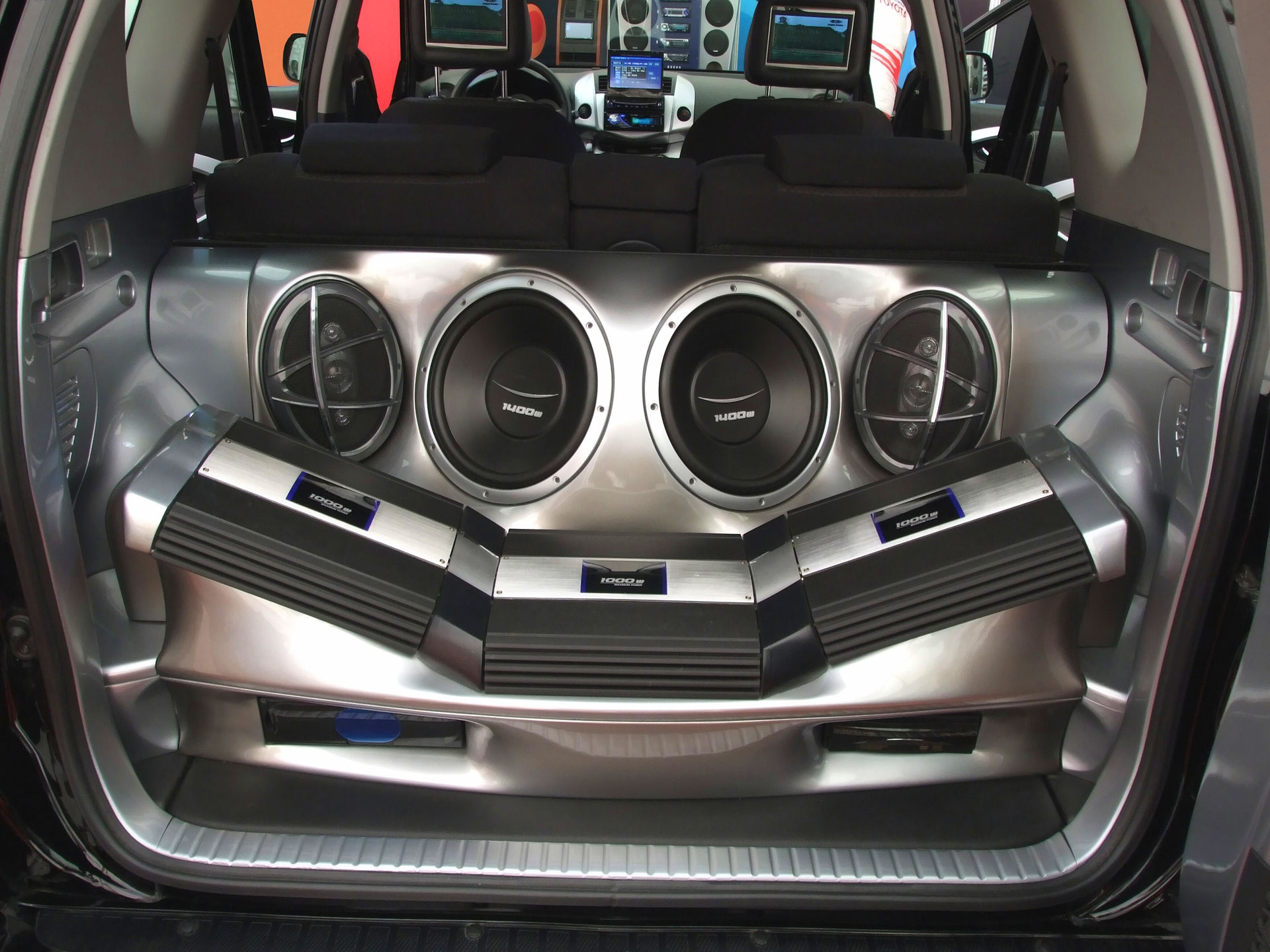
Beyond basic installation, custom fabrication opens endless possibilities for unique installations. Fiberglass enclosures maximize bass response while preserving cargo space. Custom door panels accommodate larger speakers without sacrificing aesthetics. Stealth installations hide valuable equipment from potential thieves while maintaining factory appearance.
Sound Quality Optimization Techniques
Achieving exceptional sound from your custom car stereo requires more than quality components. Proper tuning and acoustic treatment transform good systems into great ones. Digital signal processors (DSPs) allow precise control over time alignment, ensuring all frequencies reach your ears simultaneously despite varying speaker distances.
Sound deadening materials reduce road noise and prevent panel vibrations that muddy your music. Strategic application in doors, floor pans, and trunk areas creates a quieter listening environment while improving bass response. Quality deadening materials like butyl rubber or mass-loaded vinyl provide superior vibration damping compared to cheaper asphalt-based products.
Equalizer adjustment requires patience and proper technique. Start with flat settings, then make subtle adjustments based on your music preferences and hearing. Room correction software or professional RTA (Real-Time Analyzer) tuning ensures accurate frequency response across the entire audio spectrum.
Advanced Features and Technologies
Smartphone Integration and Connectivity
Modern custom car stereo systems seamlessly integrate with your digital life. Apple CarPlay and Android Auto mirror your phone’s interface on the head unit display, providing safe access to navigation, messages, and music while driving. Wireless implementations eliminate cable clutter while maintaining full functionality.
High-resolution audio support becomes increasingly important as streaming services offer lossless quality options. Systems supporting 24-bit/192kHz playback reveal subtle details lost in compressed formats, though the difference becomes most apparent with quality speakers and proper acoustic treatment.
Active Safety and Driver Assistance
Contemporary head units incorporate safety features beyond entertainment. Backup cameras, blind-spot monitoring, and dash cam integration enhance driving safety. Some units offer driver attention warnings or speed limit displays pulled from GPS data.
Maintenance and Troubleshooting
Protecting your investment requires minimal but important maintenance. Regularly check connections for corrosion, especially in humid climates. Keep amplifiers properly ventilated to prevent thermal shutdown. Update head unit firmware to fix bugs and add features.
Common issues and solutions include:
- Alternator whine: Install noise filters or check ground connections
- Bluetooth dropouts: Update firmware or check for interference
- Distortion at high volumes: Verify gain settings and speaker impedance
- Poor bass response: Check phase settings and enclosure sealing
- System won’t power on: Test fuses and verify constant/switched power connections
Future Trends in Custom Car Audio
The custom car stereo industry continues evolving with emerging technologies. Immersive audio formats like Dolby Atmos create three-dimensional soundstages previously impossible in vehicles. AI-powered tuning automatically optimizes sound based on cabin acoustics and listener preferences.
Electric vehicles present unique opportunities and challenges. Their quiet operation provides ideal listening environments, but high-voltage systems require specialized installation knowledge. Manufacturers increasingly design EV-specific audio components optimized for these unique electrical environments.
Integration with vehicle AI assistants expands beyond simple voice commands. Future systems will learn listening habits, automatically adjust settings based on time of day or route, and even synchronize with home audio systems for seamless music transitions.
Quick Budget Guidelines
- Entry Level ($500-1,000): Basic head unit upgrade with coaxial speakers
- Enthusiast ($1,000-3,000): Component speakers, amplifier, and basic subwoofer
- Audiophile ($3,000+): High-end components, multiple amplifiers, custom fabrication
A well-designed custom car stereo transforms every drive into an immersive audio experience tailored to your preferences. From the careful selection of components to proper installation and tuning, each step contributes to achieving automotive audio excellence. Whether you’re seeking thunderous bass, crystalline highs, or perfectly balanced sound reproduction, today’s aftermarket options deliver performance that rivals high-end home audio systems.