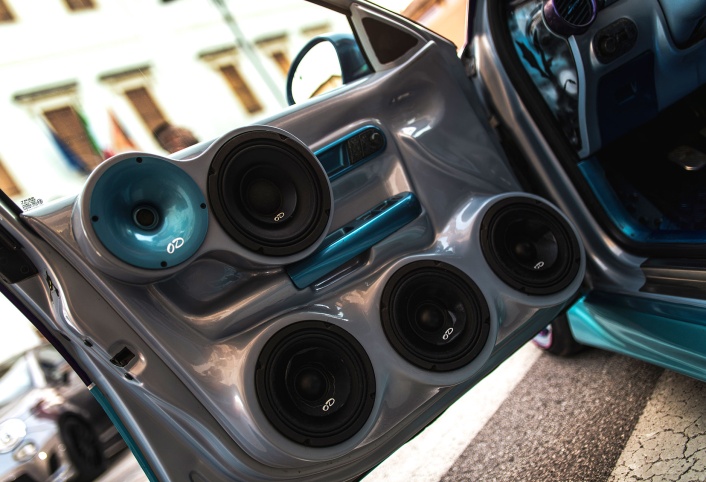

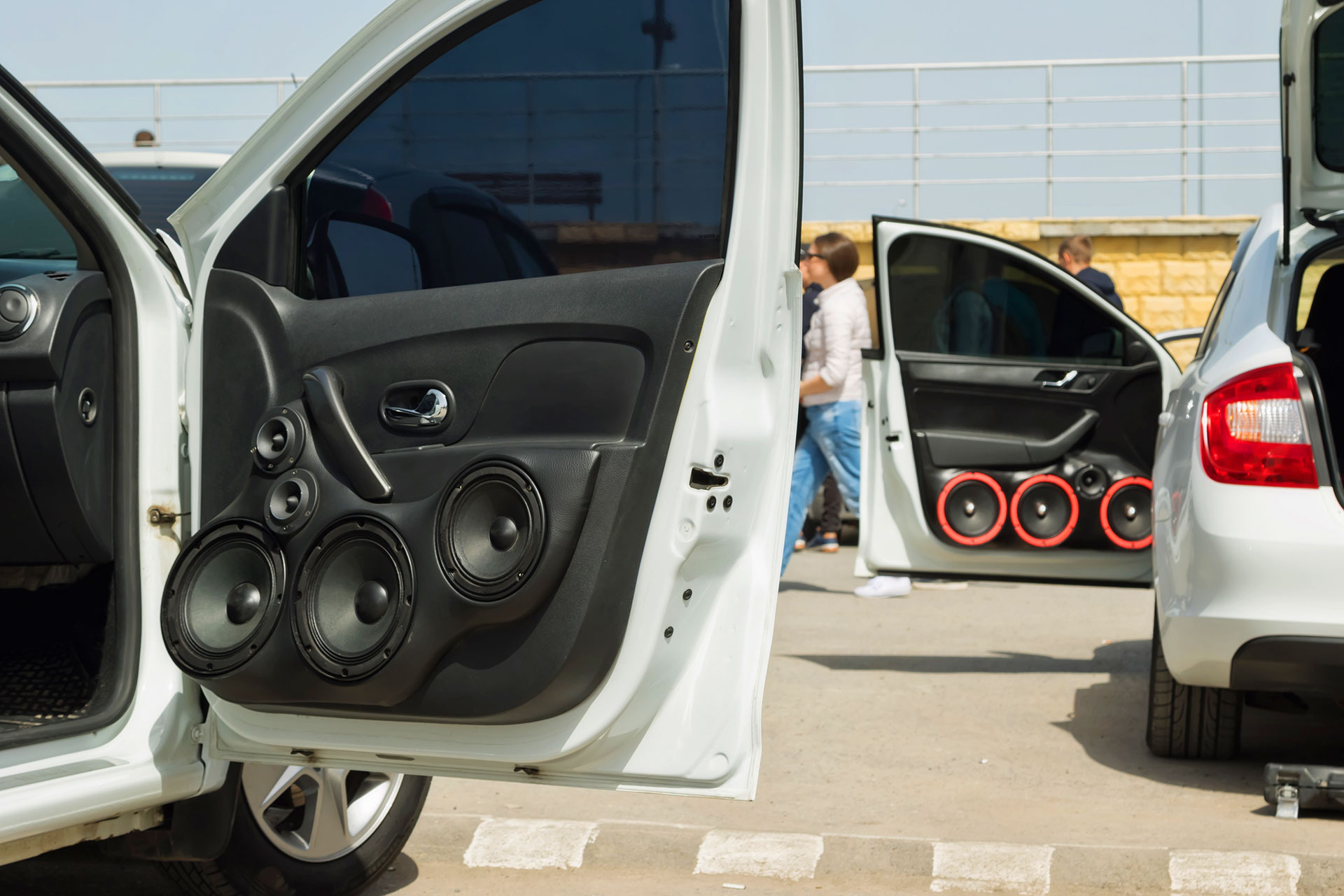
Picture this: you slide into your driver’s seat, hit play, and instead of tinny, muffled noise pouring from worn-out speakers, you’re hit with crisp highs, thumping bass, and vocals so clear it feels like the artist is sitting shotgun. That’s the magic of a proper car audio system installation, and it’s more attainable than most drivers think.
Whether you’re chasing concert-level sound quality or just tired of straining to hear your favorite podcast over road noise, upgrading your vehicle’s audio is one of the most rewarding mods you can tackle.
How do you install a car audio system?
To install a car audio system, disconnect the battery, remove the factory head unit and speakers, run new power and ground wiring from the battery through the firewall, connect the amplifier and head unit using a wiring harness, mount new speakers and subwoofers, then test all connections before reassembling panels.
What’s Actually Inside a Modern Car Audio System
Before you start tearing apart your dashboard, it helps to understand what you’re working with. A complete car audio setup is more than just speakers and a radio. It’s a chain of components, and each one impacts the final sound.
- Head unit: The brain of the system, controlling source input, EQ, and output signals.
- Speakers: Component sets or full-range coaxials that handle different frequency ranges.
- Amplifier: Boosts the signal so your speakers actually have the power to perform.
- Subwoofer: Handles the low-end bass that factory systems simply can’t reproduce.
- Wiring and capacitors: The unsung heroes that keep current flowing cleanly.
Tools and Materials You’ll Need Before Starting
Walking into this project unprepared is the fastest way to spend three hours of your Saturday driving back and forth to the auto parts store. Get everything staged before you touch a single screw.
Essential Tools
- Panel removal tools (plastic trim pry bars)
- Wire strippers and crimpers
- Soldering iron and heat shrink tubing
- Multimeter for testing connections
- Socket and screwdriver set
- Drill with assorted bits
Critical Materials
- Vehicle-specific wiring harness adapter
- Dash kit for your make and model
- Quality power and ground cable (4-gauge or thicker for amps)
- RCA cables for clean signal transfer
- Sound deadening material (Dynamat or similar)
Step-by-Step Car Audio System Installation
Here’s where the real work begins. Take your time, label every connector, and snap photos as you disassemble. You’ll thank yourself when it’s time to put everything back together.
Step 1: Disconnect the Battery
This isn’t optional. Pull the negative terminal and wait about 10 minutes for any stored electrical charge to dissipate. Skipping this step can fry your new electronics or worse, deploy an airbag.
Step 2: Remove the Factory Head Unit
Use your panel tools to pop the dash trim free, then unscrew the factory radio. Disconnect the antenna lead and wiring harness carefully. Many vehicles hide screws behind climate control knobs or trim pieces, so consult a service manual if you’re stuck.
Step 3: Wire the New Head Unit
Match the colors on your wiring harness adapter to the head unit’s pigtail. Solder each connection rather than relying on twist caps, and seal with heat shrink. This single step separates pro-quality installs from the ones that develop crackling issues six months later. Before you go any further, take a moment to review the critical prep work most people miss when upgrading a car stereo, because skipping these details often leads to ground loops and frustrating noise problems down the road.
Step 4: Run Power Cable for the Amplifier
Find an existing grommet in the firewall and feed your power cable through from the engine bay. Install an inline fuse within 18 inches of the battery, no exceptions. Run the cable along the opposite side of the vehicle from your RCA signal cables to avoid interference.
Step 5: Install Speakers and Subwoofer
Remove door panels carefully, drop in new speakers using mounting adapters if needed, and apply sound deadening to the metal door skin while you’re in there. For subs, build or buy a properly sized enclosure based on the woofer’s specs.
Step 6: Connect, Test, Tune
Reconnect the battery, power everything on, and verify each speaker is firing on the correct channel. Set your amplifier gains using a multimeter or oscilloscope, not by ear. Finally, dial in the EQ and crossover points to taste.
DIY Install
Cost: $300 to $1,500
Time: 4 to 12 hours
Skill needed: Intermediate
Professional Install
Cost: $200 to $800 labor
Time: Same day typically
Skill needed: None required
Common Mistakes That Ruin a Great Setup
Even seasoned hobbyists trip over these. Avoid them and you’ll be ahead of 90 percent of weekend installers.
- Cheaping out on wiring: Undersized cable causes voltage drop and overheating.
- Poor grounding: Sand the paint off your ground point until you hit bare metal.
- Running power and signal cables together: This creates the dreaded alternator whine.
- Cranking gains to max: Gain is not a volume knob. It’s a signal-matching control.
- Skipping sound deadening: The best speakers in the world sound terrible in a rattling door.
Choosing Components That Match Your Goals
Not every driver needs a 2,000-watt competition setup. Be honest about what you actually want from your system.
For Casual Listeners
A quality head unit with Apple CarPlay or Android Auto, paired with upgraded coaxial speakers, makes a massive difference for under $500 in parts.
For Audiophiles
Component speakers with separate tweeters, a four-channel amp, a DSP for tuning, and sound deadening throughout. Budget $1,500 to $3,000.
For Bass Heads
Add a dedicated monoblock amp and a 10 or 12-inch subwoofer in a proper enclosure. Don’t forget to upgrade your big three wires (battery to alternator, battery ground, engine ground) to handle the extra current draw.
Frequently Asked Questions
How long does a car audio installation take?
A basic head unit swap takes 1 to 2 hours. A full system with amp, sub, and new speakers typically runs 6 to 10 hours for a DIYer, or a single workday for a professional installer.
Do I need to upgrade my alternator?
Only if you’re running more than 1,500 watts RMS continuously. Most factory alternators handle moderate audio upgrades without issue, though adding a second battery or high-output alternator helps with extreme builds.
Will installing a new audio system void my warranty?
Generally no, thanks to the Magnuson-Moss Warranty Act, as long as the modification doesn’t directly cause the failure being claimed. Always retain factory parts in case you need to revert.
Can I install a car audio system without soldering?
Yes, using crimp connectors or posi-tap connectors, but soldered connections last longer and resist corrosion better. If you’re keeping the vehicle long-term, learn to solder.
Why does my new system hum or whine?
This is almost always a ground loop or improperly routed RCA cables running parallel to power wires. Re-route signal cables, check ground points, and add a ground loop isolator if needed.
What’s the difference between RMS and peak power?
RMS is the continuous power your amp or speaker can handle safely. Peak is the maximum it can briefly hit before damage occurs. Always match components by RMS ratings, never peak.
Final Thoughts
A successful car audio system installation comes down to preparation, patience, and respect for the small details. Whether you tackle it yourself or hand the keys to a professional, understanding the process helps you make smarter choices about components, budget, and end results. Take your time on the wiring, don’t skimp on sound deadening, and tune your system properly once everything is connected. Do those three things and you’ll have a setup that turns every commute into a private concert.